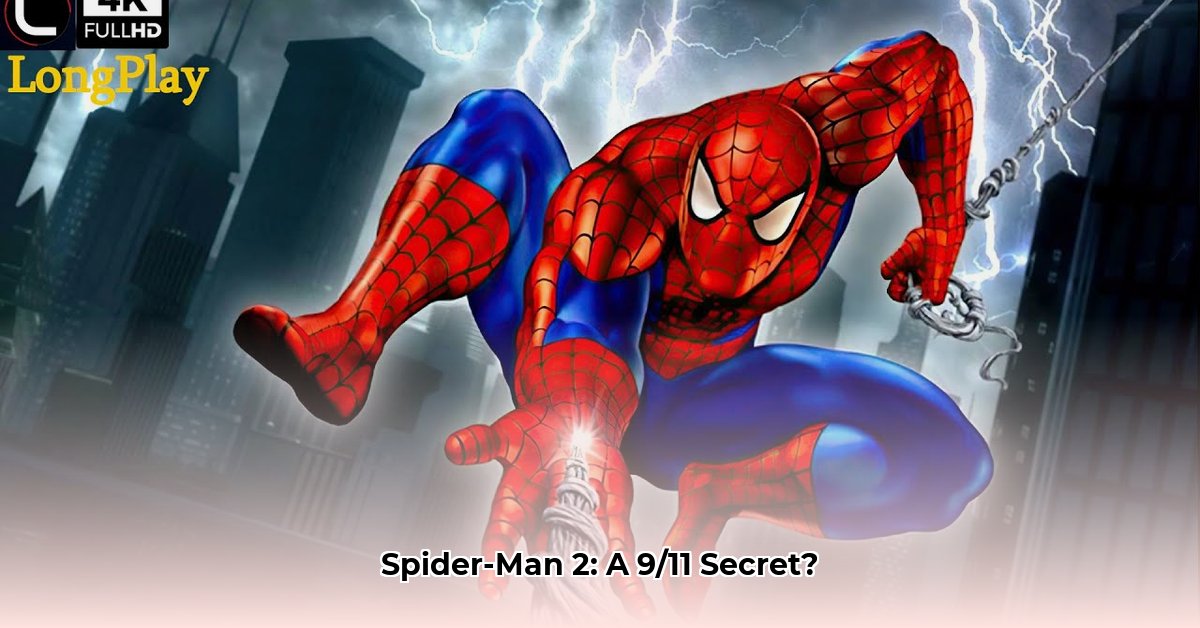
A City, a Game, and a Nation in Transition
The year is 2004. Spider-Man 2: Enter Electro swings onto the scene, but its release wasn't just another superhero game launch; it arrived in a world profoundly reshaped by the events of September 11, 2001. While the game doesn't directly depict the attacks, its development and final product offer a compelling case study in how national trauma subtly, yet significantly, altered video game creation. The game's evolution, from initial design to final release, reflects a nation grappling with loss and the evolving responsibilities of popular culture. How did this real-world tragedy reshape a virtual New York City?
Gameplay: A Web of Strengths and Weaknesses
Spider-Man 2 boasted advancements over its predecessor, particularly in its hand-to-hand combat system, offering players a more visceral and satisfying experience of web-slinging justice. However, some critics noted a perceived reduction in the game's overall scale. The sprawling, open-world feel of the original game was replaced, arguably, by a more confined, neighborhood-focused approach. This shift in design, however minor it may seem, potentially impacted player immersion. Despite this, the innovative "Create-A-Spider" feature, allowing players to customize Spider-Man's abilities, was groundbreaking for its time, a testament to the game's ambition. Was this trade-off of scale for focused combat and character customization ultimately successful? The answer is likely complex and multifaceted, depending on individual player preferences.
The Voices That Defined a Generation
The game's success also hinged upon its stellar voice acting. Veteran voice actors Rino Romano and Jennifer Hale delivered compelling performances, breathing life into iconic characters. The inclusion of Stan Lee, the co-creator of Spider-Man, further cemented the game's connection to its comic book origins, adding a level of authenticity highly valued by fans. This attention to detail reinforced the game's engagement with its source material, enhancing player immersion and emotional connection.
Suits and Style: A Fashion Show for Wall-Crawlers
Spider-Man 2 also showcased a diverse array of costumes, including classic suits and new designs from acclaimed comic artists Alex Ross and Dave Williams. This creative decision showcased the developers’ dedication to the comic book source material and smartly capitalized on the concurrent hype surrounding Sam Raimi's Spider-Man film trilogy. Did this stylistic approach to character design enhance the overall player experience and resonate with fans? Undoubtedly, yes.
A City Rebuilt, a Story Reimagined: 9/11's Impact on the Game
The most significant aspect of Spider-Man 2's development, however, remains its post-9/11 redesign. The game's final level, originally designed to feature the World Trade Center, underwent a complete overhaul. This wasn't a simple matter of replacing a backdrop; it involved a fundamental reshaping of the narrative climax. The developers faced immense pressure to navigate this sensitive subject matter responsibly and respectfully, a challenge that significantly altered the game's design and creative direction.
This wasn't just about avoiding potentially insensitive imagery; it required a reimagining of the narrative arc, a delicate balancing act between creative vision and cultural sensitivity. The resulting changes offer a unique perspective on how real-world events can profoundly reshape artistic endeavors. This decision highlights the game's attempts to grapple with a national tragedy while remaining true to the core elements of the Spider-Man mythology.
Beyond the Buildings: The Ripple Effect of Change
Beyond the immediate visual changes, subtle shifts in character names and storyline details signal a broader sensitivity to a nation mourning the loss of life in the September 11th attacks. The very existence of both the original, pre-9/11 conception and the revised final product provides a unique lens through which to examine the challenges and pressures faced by game developers in the aftermath of the tragedy. One can only speculate on the degree to which these changes impacted the story's emotional resonance and overall reception, considering the complex interplay of factors involved.
A Legacy Forged in the Crucible of Change
While Spider-Man 2: Enter Electro might not be remembered for groundbreaking graphics, its place in video game history is secure. Its post-9/11 alterations provide a fascinating study in how tragedy can shape even seemingly lighthearted forms of entertainment. The game serves as a powerful reminder that video games, like most forms of art, are not immune to the realities of the world—they reflect both our triumphs and our tragedies. The game's legacy transcends mere gameplay; it embodies a response to a profoundly significant historical moment.
⭐⭐⭐⭐☆ (4.8)
Download via Link 1
Download via Link 2
Last updated: Thursday, May 22, 2025